Summary
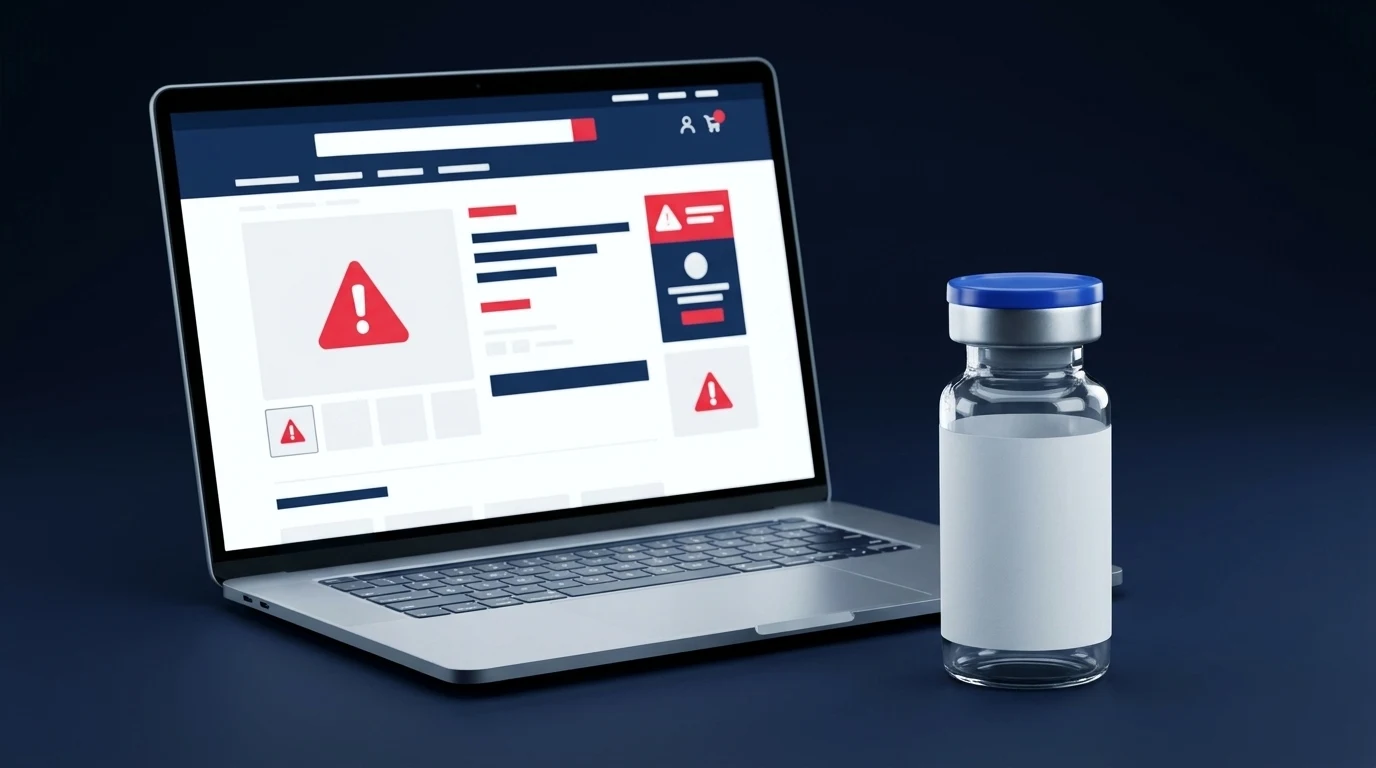
A purity number can sound impressive, but a serious buyer should ask what supports it, how it was measured, and whether the batch context is actually visible.
Section 1
What a purity percentage does and does not tell you
Key takeaway
Purity percentages are useful, but they are not magic. A number by itself does not tell you which method was used, what the impurity profile looked like, whether the result belongs to the same lot being sold, or how the rest of the product context compares.
That is why experienced buyers do not stop at the headline claim. They look for the analytical and batch details around the claim, because that is where the number becomes meaningful instead of decorative.
Section 2
Why HPLC context matters more than a big number
Key takeaway
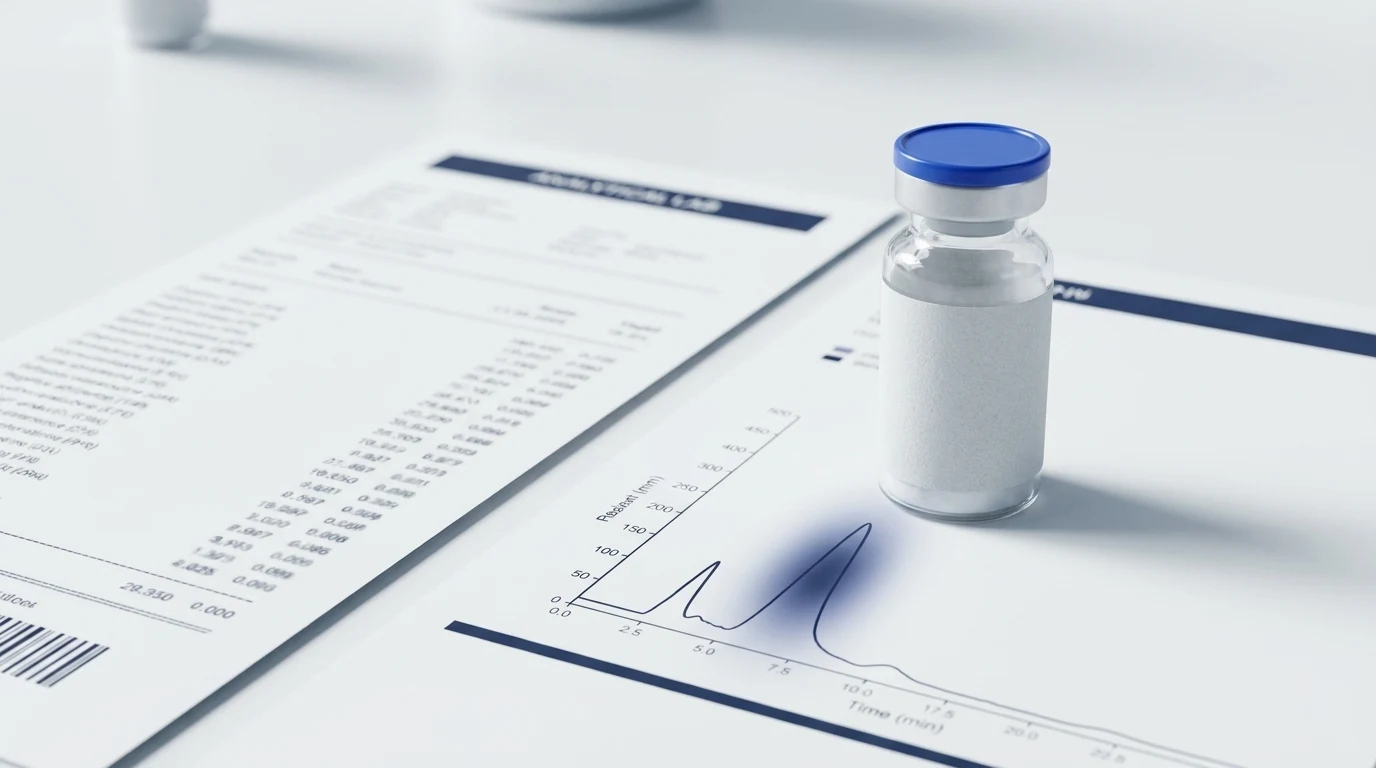
High-performance liquid chromatography is one of the standard analytical tools used to assess purity, but an HPLC-linked claim still needs context. A page can say a product tested at a high percentage without telling you whether the result is current, whether the sample matches the lot, or what the chromatogram actually reflects.
For a buyer, the lesson is simple. Do not treat the purity number as the whole story. Treat it as one data point that becomes more useful when it sits next to batch matching, analytical references, and a credible support path.
- What method or analytical basis is being referenced?
- Is the result tied to the same batch or lot being sold?
- Is the claim current enough to matter for the product on the page?
Section 3
What a useful COA should help you verify
Key takeaway
A COA is not valuable just because it exists. It becomes valuable when it helps the buyer connect a result to a specific product context instead of forcing them to assume the file belongs to whatever is currently in stock.
At minimum, buyers want enough information to compare the document with the listing and confirm they are not looking at a generic file being reused for every item. Batch-specific relevance matters more than the presence of a PDF icon.
Section 4
Why batch matching matters
Key takeaway
Traceability is how quality systems stay useful under pressure. FDA traceability materials for other regulated categories make the same general point: once a lot code exists, it needs to stay linked to the record trail that gives the code meaning.
That idea translates well here. If a buyer sees an analytical claim with no believable batch or lot anchor, confidence should drop because the chain between the listing and the document is weak.
Section 5
What buyers should compare beyond purity
Key takeaway
Purity should be read together with quantity, format, storage guidance, and the overall quality of the support path. That combination gives you a fuller picture of how carefully the product is presented and how easy it will be to verify claims without guesswork.
A page that shows a purity number but hides everything else is still a weak page. A page that pairs a smaller amount of marketing language with stronger documentation and cleaner context is usually the better buy signal.
- Quantity and format shown clearly
- Storage guidance that sounds operational, not generic
- Support pages and documentation reachable from the listing
- A restrained tone that does not try to oversell the number
Section 6
A better way to judge purity claims
Key takeaway
The cleaner move is to stop asking whether a purity number sounds high and start asking whether the page makes that claim easy to trust. If the surrounding evidence is weak, the headline figure should not carry the whole decision.
Better buying comes from comparison, not awe. Use the number, but keep it in its lane.